
malatya kayısı coğrafi işaret: Understanding the Geographical

Malatya Kayısısı Editorial Team · Brand editorial team · Updated 2026-10-07
A practical guide to malatya kayısı coğrafi işaret: selection, storage and use notes below.
The geographical indication (GI) for Malatya apricot signifies its unique qualities, origin, and the traditions behind its cultivation. This system not only protects the name but also enhances the value and recognition of this remarkable fruit, celebrated for its flavor and nutritional benefits.
What is Geographical Indication?

Geographical indication is a legal status that protects products originating from specific locations, ensuring that only those products that meet certain standards can be labeled with that name. In the case of Malatya apricot, this designation helps maintain its authenticity and assures consumers of its quality.
Why is Malatya Apricot Famous?
Malatya apricot, known for its sweet taste and vibrant color, is one of Turkey's most cherished fruits. The region's unique climate and soil conditions contribute to the apricot's exceptional quality. Moreover, the traditional farming methods used by local farmers enhance its distinct flavor, making it a favorite not just in Turkey but globally.
Characteristics of Malatya Apricot
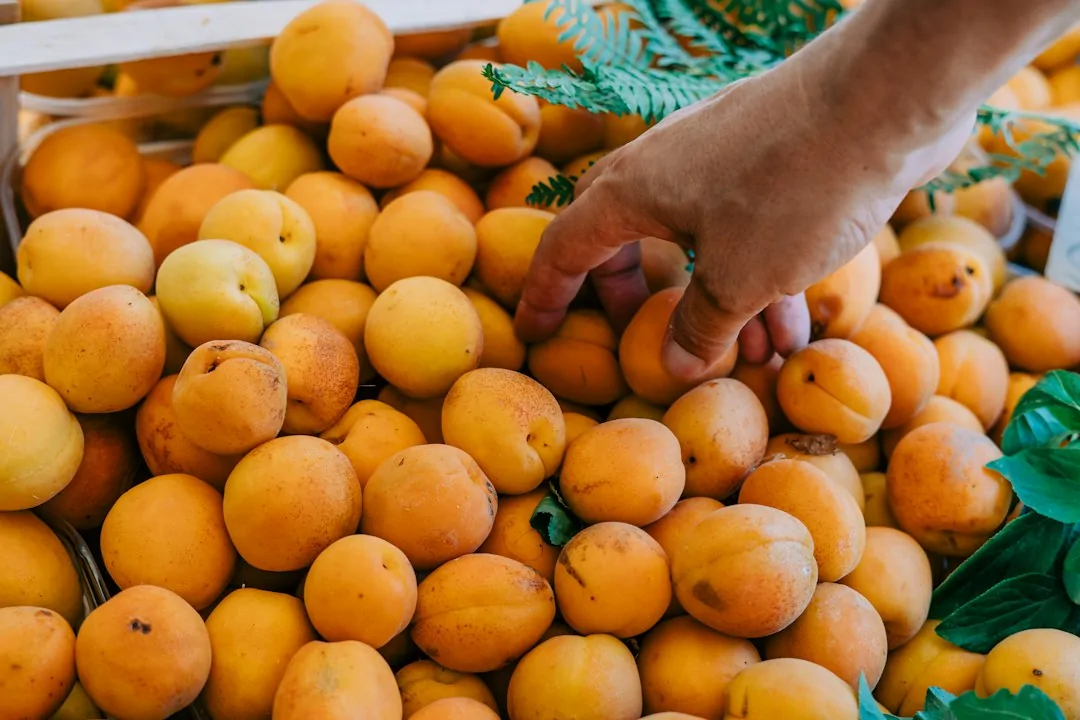
Malatya apricots are characterized by their large size, bright color, and sweet flavor. They typically have a smooth, velvety skin and a firm texture. The fruit is often enjoyed fresh, but it is also famous for being sun-dried, which intensifies its sweetness and makes it a popular snack. Sun-dried Malatya apricots retain most of their nutritional benefits, making them a healthy choice for consumers.
The History of Malatya Apricot
The cultivation of apricots in the Malatya region dates back centuries. Historical records suggest that the area has been producing apricots since at least the Roman period. Over time, the fruit has become an integral part of the local economy and culture, leading to its recent recognition as a geographical indication in 2020. This recognition has helped protect the heritage of Malatya apricot while promoting sustainable farming practices.
Health Benefits of Malatya Apricot
Malatya apricot is not only delicious but also packed with numerous health benefits. It is an excellent source of vitamins A and C, potassium, and dietary fiber. Consuming Malatya apricots can aid digestion, boost immunity, and contribute to overall heart health. Additionally, their natural sweetness makes them a great alternative to processed sugars.
How Geographical Indication Benefits Consumers
The GI status of Malatya apricot provides consumers with assurance regarding the quality and authenticity of the product they are purchasing. It protects against imitation and ensures that the apricots they enjoy are genuinely from the Malatya region, harvested and processed according to local traditions.
Conclusion
The geographical indication of Malatya apricot plays a crucial role in preserving its unique attributes and supporting the local economy. By understanding its significance, consumers can appreciate the rich history and health benefits of this extraordinary fruit. Whether enjoyed fresh, dried, or as part of various dishes, Malatya apricot continues to be a symbol of quality and tradition.
FAQ
- What makes Malatya apricot different from other apricots? Malatya apricot is known for its large size, sweetness, and vibrant color, which are attributed to the region's unique climate and traditional farming methods.
- When was Malatya apricot granted geographical indication? Malatya apricot was officially recognized with its geographical indication in 2020.
- What are the health benefits of Malatya apricot? Malatya apricot is rich in vitamins A and C, potassium, and dietary fiber, aiding digestion and boosting immunity.
- How should Malatya apricot be stored? Fresh Malatya apricots should be kept in a cool place, while dried apricots should be stored in a sealed container in a cool, dry place.
- Can Malatya apricot be used in cooking? Yes, Malatya apricot can be used in various recipes, including desserts, salads, and jams, adding a sweet and nutritious element to dishes.
Storage and quality-control notes
Pack integrity, moisture, lot data and storage temperature shape the product profile. Prefer a cool, dry cupboard away from light. Start with a small pack and observe texture and aroma at home. Reading labels and understanding processing helps separate quality from price alone.
- Note best-before and lot codes.
- Keep away from humid counters.
- Use airtight containers after opening.
- Plan rotation for bulk buys.
- Check aroma and texture on first use.
Seasonal lots can shift aroma; consistent supply and transparent lot policy improve predictability. Finish opened packs promptly to reduce waste. A small tasting check before serving reduces surprises for guests.
When evaluating malatya kayısı coğrafi işaret, aroma, texture, packaging and processing should be read together. Judging malatya kayısı coğrafi işaret by price alone can be misleading.
When evaluating malatya kayısı coğrafi işaret, aroma, texture, packaging and processing should be read together. Judging malatya kayısı coğrafi işaret by price alone can be misleading.
When evaluating malatya kayısı coğrafi işaret, aroma, texture, packaging and processing should be read together. Judging malatya kayısı coğrafi işaret by price alone can be misleading.
When evaluating malatya kayısı coğrafi işaret, aroma, texture, packaging and processing should be read together. Judging malatya kayısı coğrafi işaret by price alone can be misleading.