
The Rich History of Malatya Apricots: A Turkish Treasure
Malatya Kayısısı Editorial Team · Brand editorial team · Updated 2026-07-26
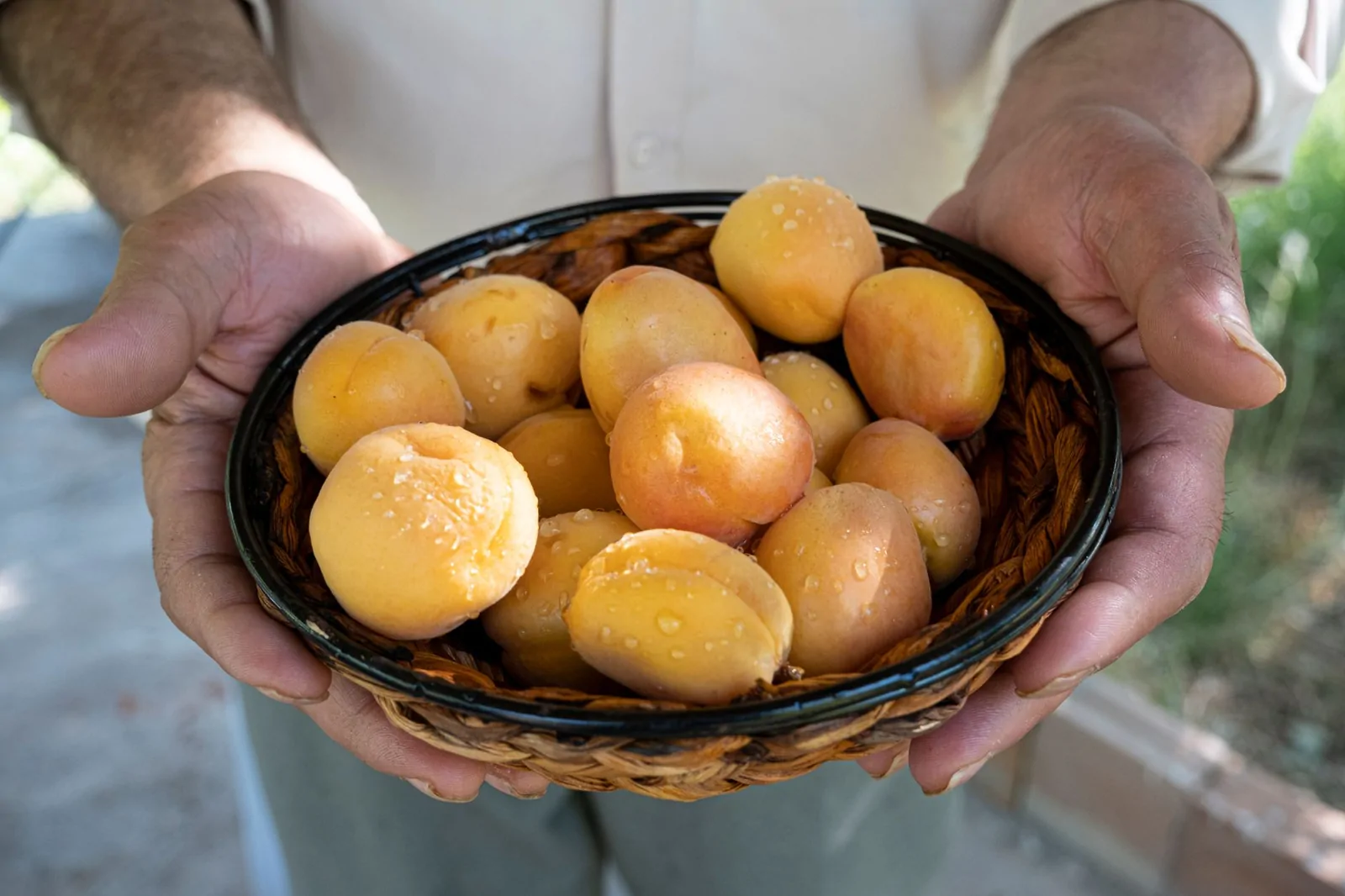
The Malatya apricot, known locally as 'malatya kayısı', has a storied past that dates back centuries, intertwining with the cultural and agricultural heritage of Turkey. Renowned for its unique flavor and quality, this fruit is more than just a delightful treat; it represents a significant part of Malatya's identity. In this article, we will delve into the malatya kayısı tarihi, explore its historical significance, and understand why it has become an emblem of Turkish excellence.
The Origins of Malatya Apricots

The history of Malatya apricots traces back to ancient times, where the fertile lands of Anatolia provided an ideal environment for their cultivation. The region's unique climate, characterized by hot summers and cold winters, is perfect for growing apricots. These conditions have been exploited for generations, with local farmers perfecting the art of apricot cultivation over centuries.
Why Malatya Apricots Are Famous
Malatya apricots are celebrated for their distinctive taste and texture, which set them apart from other varieties. The region's specific soil and climate conditions contribute to the fruit's rich flavor profile. Malatya kayısısı neden ünlü? The answer lies in its sweet and tangy taste, combined with a luscious texture that makes it a favorite among consumers worldwide. Furthermore, Malatya apricots boast a high nutritional value, rich in vitamins A and C, which adds to their appeal.
Characteristics of Malatya Apricots
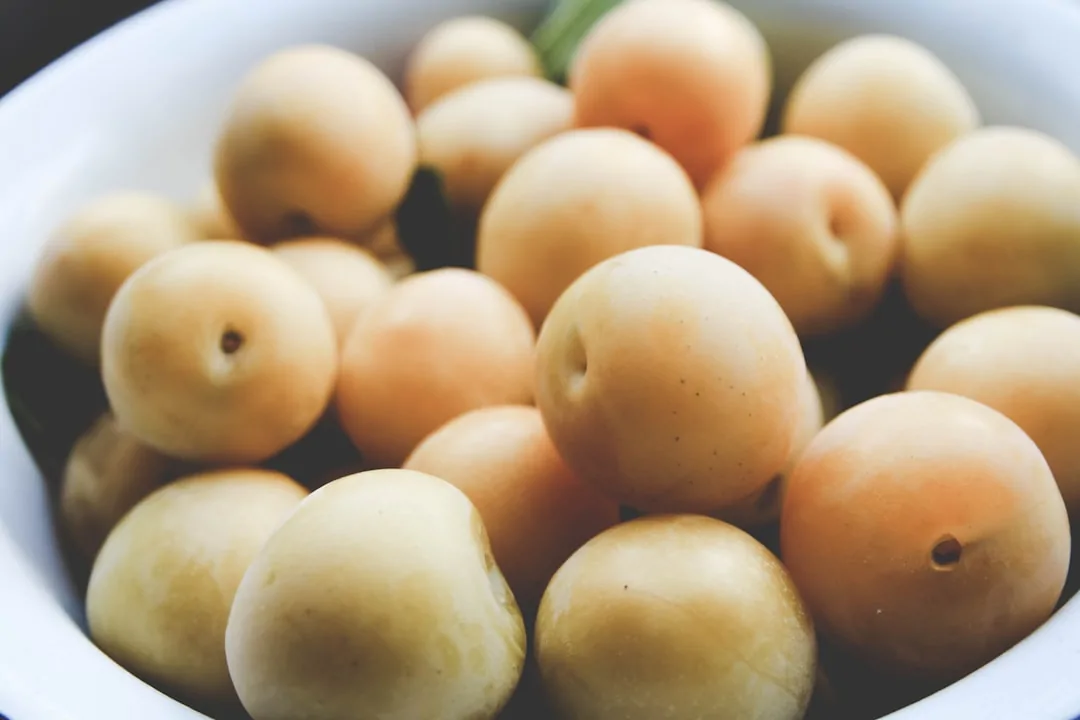
The malatya kayısı özellikleri include a vibrant orange color, smooth skin, and a slightly oval shape. These apricots are known for their juiciness and sweetness, making them ideal for both fresh consumption and drying processes. Additionally, their high sugar content and low acidity make them perfect for producing high-quality dried apricots, a staple in Turkish cuisine and international markets.
Current Market Trends: Apricot Prices and Harvest
Understanding the market dynamics is essential for both producers and consumers. As we approach 2026, kayısı fiyatları 2026 are influenced by various factors, including weather conditions, global demand, and local agricultural practices. This year, the question on everyone's mind is, bu yıl kayısı mahsulü nasıl? Despite challenges such as unpredictable weather patterns, efforts to innovate cultivation techniques aim to ensure a robust and healthy yield.
The Future of Malatya Apricots
Looking ahead, Malatya continues to invest in agricultural research and development to enhance the quality and yield of its apricots. With a focus on sustainability and innovation, the future of Malatya apricots looks promising. As global demand for healthy and natural foods increases, the region's apricots are poised to gain even more prominence on the world stage.
Conclusion
The story of Malatya apricots is one of tradition, innovation, and excellence. From their ancient roots to their modern global appeal, these apricots remain a cherished symbol of Turkish agriculture. As we continue to savor the delicious taste of Malatya apricots, we celebrate a rich heritage that has stood the test of time.
FAQ
What makes Malatya apricots unique?
Malatya apricots are known for their sweet and tangy taste, vibrant color, and rich nutritional content, making them a favorite worldwide.
How are Malatya apricots cultivated?
They are cultivated in the fertile lands of Malatya, benefiting from the region's ideal climate conditions of hot summers and cold winters.
Why are Malatya apricots so popular globally?
Besides their delicious taste and texture, they are rich in vitamins A and C, making them a healthy choice for consumers.
What factors influence apricot prices in 2026?
Factors include weather conditions, global demand, and agricultural practices, all of which can impact pricing trends.
What is the outlook for Malatya apricots in the future?
With continued investment in research and sustainable practices, the future looks bright for Malatya apricots as global demand continues to rise.